Skip to content

You know the floors need to go. Maybe the carpet has been holding onto a decade of Buffalo winters, or the laminate in the kitchen is peeling at the edges where water keeps finding its way underneath. Whatever pushed you to start looking, the first question is always the same: how much is this going to cost?
The honest answer is that flooring cost depends on a lot of variables, and most of them are specific to your home. The material you choose is only one piece of it. Subfloor condition, room layout, demolition needs, and even the age of your house all play a role. In Western New York, the climate adds another layer. Lake effect humidity, freeze-thaw cycling, and the salt and moisture that get tracked inside six months of the year mean some materials hold up far better than others here.
This guide breaks down every factor that affects what you will pay for new floors in the Buffalo area. It does not give you a single number, because a single number without context is misleading. Instead, it walks through the variables so you can have a more informed conversation with any installer you talk to.
What Affects Flooring Cost in Buffalo?
Flooring projects are not one-size-fits-all. Two homeowners on the same street in Tonawanda can get wildly different quotes for the same material because their homes present different challenges. Here are the main factors that determine your final number.
Material Selection
This is the most obvious variable. Hardwood costs more than laminate. Tile costs more than vinyl. Epoxy systems designed for garages and basements carry a different price point than carpet. But within each material category, there is a wide range depending on grade, thickness, brand, and finish. A builder-grade laminate and a premium water-resistant laminate are not the same product, and they are not priced the same way.
Subfloor Condition
This is where Buffalo homes throw curveballs. Many houses in Tonawanda, Amherst, Cheektowaga, and the older neighborhoods of Buffalo proper were built in the 1940s through 1960s. Their subfloors may have moisture damage, uneven settling, or outdated materials underneath the existing flooring. If the subfloor needs leveling, patching, or moisture remediation before new material can go down, that adds labor and materials to the project. A professional installer will assess this during the estimate. If an installer does not check the subfloor before quoting, that is a red flag.
Room Size and Layout
Square footage is the baseline measurement for any flooring project. But layout matters too. A 200-square-foot open rectangle is a faster, simpler installation than a 200-square-foot room with closets, alcoves, transitions to other flooring types, and doorways that need trim work. More cuts, more transitions, and more detail work mean more labor hours.
Demolition and Removal
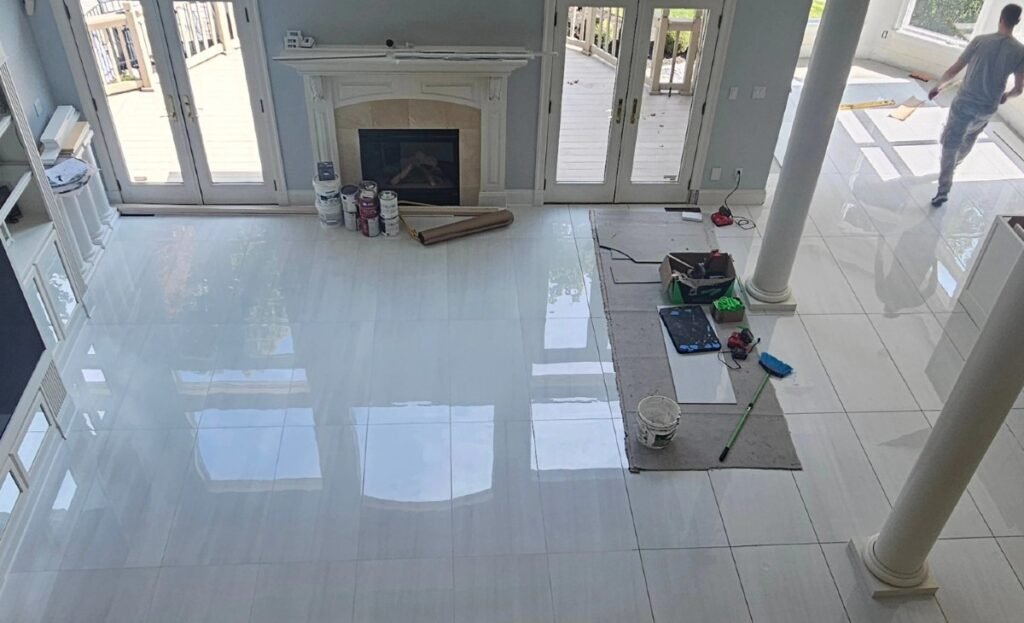
Pulling up old flooring is part of almost every project. Some materials come up easily. Others, like glued-down hardwood or tile set in mortar, require significant labor to remove. If there are multiple layers (carpet over vinyl over old tile, which is common in older WNY homes), each layer adds time. Disposal of old materials is also a factor.
Transitions and Trim
Where your new floor meets a different surface (carpet to tile, hardwood to vinyl at a bathroom threshold), you need transition strips. Baseboards, quarter-round molding, and stair nosings may need to be replaced or refinished to match the new floor. These finishing details are often overlooked in initial cost estimates but they affect both the final look and the final bill.
Installation Complexity
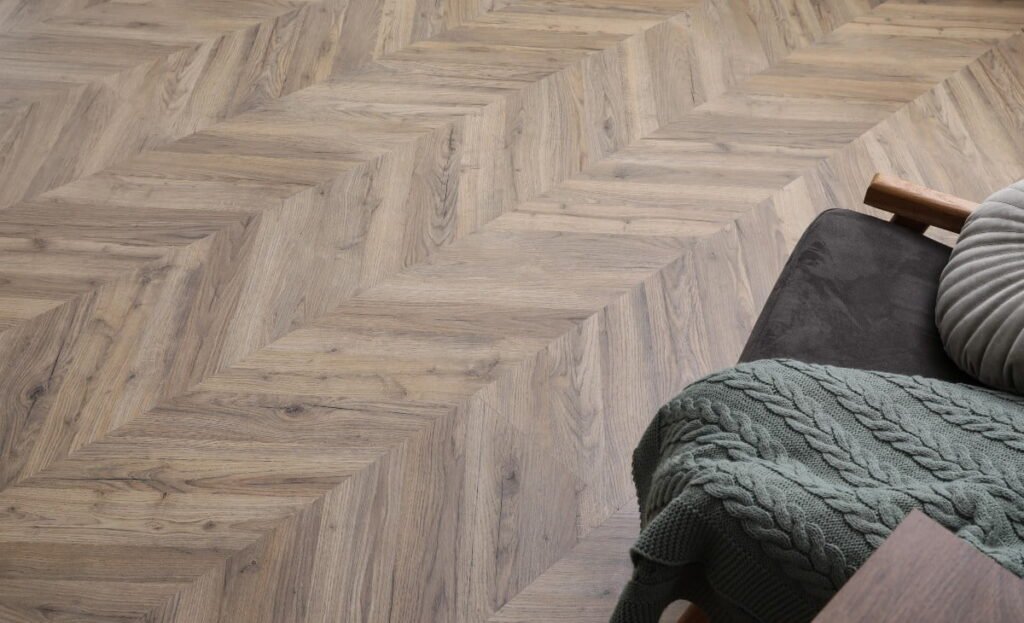
Stairs, patterns (herringbone, diagonal layouts), and rooms with irregular shapes all increase installation time. A standard straight-lay laminate job moves faster than a herringbone hardwood install. If you want a pattern, ask about the labor difference upfront so there are no surprises.
Flooring Materials Compared: What Works in Western New York
Every material has trade-offs. The right choice depends on the room, your household (pets, kids, foot traffic), and how much maintenance you are willing to do. Buffalo’s climate narrows the field in some cases. Materials that perform well in dry, temperate climates may not hold up as well here, where humidity swings from bone-dry winter heating to humid summer air, and moisture from snow, rain, and lake effect weather is a constant.
Here is how the most common options compare:
A few notes specific to Western New York. Vinyl, LVP, and LVT have become popular in the Buffalo market because they handle moisture well and work in every room, including basements. Epoxy is a standout for garages and basements because its seamless surface prevents water intrusion and resists the road salt, deicing chemicals, and moisture that are a daily reality here from November through April. A professionally applied three-layer epoxy system (primer, epoxy coat, and protective topcoat) can last 20 or more years with minimal maintenance.
Hardwood remains a strong choice for main living areas in Buffalo homes, but it requires climate-controlled interiors to avoid expansion and contraction issues. If your home has consistent heating and cooling, hardwood performs well. If you have rooms with poor temperature regulation or high humidity, vinyl or tile may be the better long-term investment.
Why Buffalo’s Climate Should Influence Your Flooring Decision
Western New York is not a mild climate. The conditions your floors deal with here are different from what homeowners face in most of the country, and those conditions directly affect which materials last and which ones fail early.
Lake effect moisture: Buffalo averages over 90 inches of snow per year. That snow gets tracked inside as slush, water, and road salt. Entryways, mudrooms, and kitchens take the hardest hit. Materials in these areas need to handle standing water and salt without warping, staining, or degrading.
Humidity swings: Winter heating dries indoor air to 15 to 25% humidity. Summer humidity can spike above 70%. Materials like solid hardwood expand and contract with these swings. Engineered hardwood, vinyl, and tile handle the cycling better because they are dimensionally stable.
Basement moisture: Older Buffalo homes frequently have basement moisture issues caused by high water tables, aging foundation walls, and spring thaw drainage. Carpet in a WNY basement is a mold risk. Epoxy, vinyl, and tile are safer choices below grade.
Freeze-thaw on exterior transitions: If your flooring extends to a sunroom, enclosed porch, or garage-to-house transition, the freeze-thaw cycling in those areas can crack rigid materials like ceramic tile. Flexible materials or properly applied epoxy systems handle temperature swings without cracking.
An experienced local installer will factor these conditions into their recommendation. If someone suggests the same material for every room without asking about your home’s moisture history or heating setup, they are not considering the full picture.
How to Evaluate a Flooring Quote
Not all quotes are created equal. Some installers quote material only. Others include labor but leave out demolition, subfloor prep, and disposal. A low quote that does not cover the full scope of work is not actually a low quote. Here is what a thorough estimate should include.
In-person assessment: Any reputable installer will visit your home before giving you a number. They need to see the subfloor condition, measure the actual space (not just square footage from a listing), and identify potential issues. A quote given over the phone or from a photo is a guess, not an estimate.
Material and labor broken out: You should be able to see what you are paying for materials versus labor. If the quote is a single lump sum with no breakdown, ask for one.
Subfloor prep included: Does the quote cover leveling, moisture testing, patching, or removal of old adhesive? If these are listed as separate line items that could be added later, you do not have a complete picture of the cost.
Demolition and disposal: Removing old flooring and hauling it away is part of the project. Confirm whether it is included.
Transitions, trim, and baseboards: These finishing items are easy to overlook. A good estimate specifies whether baseboard removal and reinstallation, new quarter-round, and transition strips are included.
Timeline: Standard flooring projects run one to two weeks depending on scope. Major renovations can take four to six weeks. Make sure the quote includes a projected timeline so you can plan around it.
One thing to understand about the installation-only model, which is how Modern Flooring operates: you choose your own materials from the vendors and showrooms you prefer, and the installer handles the labor. This gives you full control over the material budget and lets you comparison-shop for the products themselves. It also means the installer is focused entirely on craftsmanship, not marking up materials.
What to Expect During a Flooring Installation
Knowing the process helps you plan and eliminates surprises. Here is the general sequence for most residential flooring projects in the Buffalo area.
Consultation and estimate: The installer visits your home, assesses the subfloor, takes measurements, discusses your material preferences and how the room is used. This is the time to mention any moisture issues, pets, allergies, or specific concerns about durability.
Material selection: You choose your flooring material. With an installation-only company, you select from your preferred vendor or showroom. The installer can advise on which materials perform best for your specific application.
Preparation: The installation team removes old flooring, addresses subfloor issues (leveling, moisture remediation, patching), and ensures the surface is ready for the new material. In older Buffalo homes, this step is often the most important and the most variable in terms of time.
Installation: The new flooring goes down. Depending on the material and room size, this can take anywhere from a single day for a standard room to several days for a larger area or complex layout. Hardwood and tile generally take longer to install than vinyl or laminate.
Finishing: Baseboards and trim are reinstalled or replaced, transition strips are set, and the space is cleaned. A final walk-through with the installer confirms everything meets your expectations.
Good communication with your installer throughout the process makes everything smoother. An installer who keeps you informed about what they find during prep work and any adjustments to the timeline is an installer who respects your time and your home.
Frequently Asked Questions
Q: What is the most durable flooring option for a busy Buffalo household?
A: For high-traffic areas with pets and kids, luxury vinyl plank (LVP) and luxury vinyl tile (LVT) offer the best combination of durability, water resistance, and easy maintenance. They handle the moisture and temperature swings common in Western New York homes without warping or cracking. Tile is also extremely durable but feels cold underfoot during Buffalo winters unless paired with radiant heat.
Q: Can I install hardwood floors in a Buffalo home with humidity issues?
A: Yes, but with conditions. Solid hardwood needs a climate-controlled interior to avoid expansion and contraction from Buffalo’s humidity swings. Engineered hardwood is a better option for homes with less consistent temperature and humidity control because its layered construction is more dimensionally stable. Neither type is recommended for basements or bathrooms.
Q: What flooring works best in a Western New York basement?
A: Vinyl plank, luxury vinyl tile, and professionally applied epoxy systems are the safest choices for WNY basements. Basements in the Buffalo area commonly deal with moisture from high water tables, aging foundations, and spring thaw drainage. Carpet is a mold and mildew risk below grade. Epoxy creates a seamless, waterproof surface that also resists staining from minor flooding. For a deep dive on basement-specific options, see our complete Basement Flooring Options guide.
Q: How long does a typical flooring installation take?
A: Most single-room flooring installations are completed in one to three days. Whole-home projects or rooms requiring significant subfloor repair can take one to two weeks. The timeline depends on material type (tile and hardwood take longer to install than vinyl or laminate), room complexity, and the condition of the existing subfloor. Your installer should provide a projected timeline during the estimate.
Q: Should I choose my own flooring materials or have the installer supply them?
A: Both approaches work, but choosing your own materials gives you more control over quality and cost. You can compare products across multiple vendors and showrooms, select exactly the grade and finish you want, and avoid any material markup. An installation-only company focuses entirely on the quality of the labor, which means their reputation rests on craftsmanship rather than product sales. The installer can still advise on which materials will perform best for your specific project.
Q: How do I know if my subfloor needs work before new flooring goes in?
A: Signs of subfloor issues include squeaking, soft spots, unevenness you can feel when walking, visible water stains, and musty odors (indicating moisture or mold). In older Buffalo homes, subfloor problems are common because of decades of settling, moisture exposure, and outdated materials. A professional installer will assess the subfloor during the initial estimate and let you know what needs to be addressed before installation can begin.
Modern Flooring and Renovations WNY offers free, in-person estimates for homeowners across the Buffalo, Tonawanda, Amherst, Williamsville, and greater WNY area. If you are planning a flooring project and want an honest assessment of what your home needs, give us a call or visit our showroom at 2120 Niagara Falls Blvd in Tonawanda.